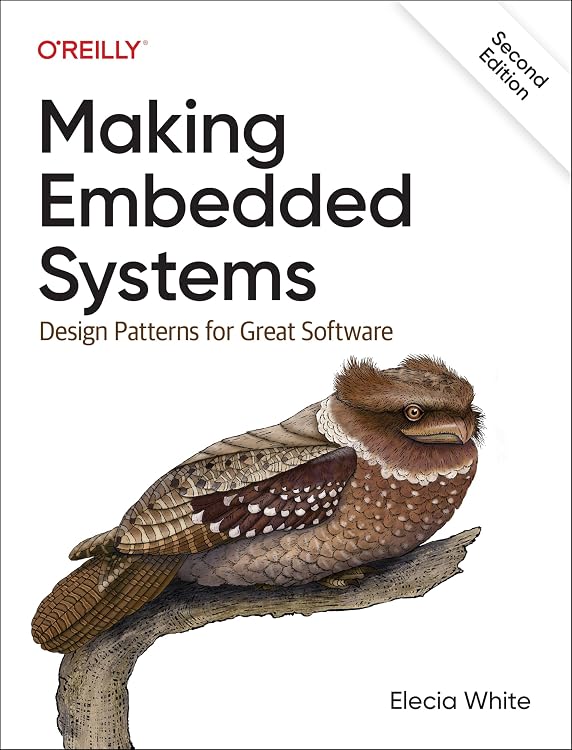
Making Embedded Systems: Design Patterns for Great Software, 2nd Edition
Patterns Great: Making Embedded Systems is a second-edition guide to software design and development practices for embedded systems. It covers processor-focused architecture, hardware constraints and topics including IoT, networked sensors, debugging and data handling. The listing positions it for intermediate and experienced programmers.
At a glance
- Explains architecture for processors rather than operating systems.
- Covers resource-constrained design, hardware interfaces and manufacturing requirements.
- The second edition adds topics including IoT, networked sensors, motors, debugging and data handling.
Often bought together

Pros and cons
Pros
- Broad coverage connects software design patterns with practical embedded development concerns.
- The listed subject matter spans sensors, displays, motors, power and memory constraints, and small-processor machine learning.
Technical specifications
9 specifications| Publisher | O'Reilly Media |
|---|---|
| Edition | 2nd |
| Publication date | 22 Mar. 2024 |
| Language | English |
| Print length | 425 pages |
| ISBN-10 | 1098151542 |
| ISBN-13 | 978-1098151546 |
| Weight listed | 635 g |
|---|---|
| Dimensions | 17.78 x 2.21 x 23.34 cm |
Who is it for?
A good fit for
- Intermediate or experienced programmers working on embedded systems.
- Readers seeking a broad reference on embedded architecture, hardware constraints and connected devices.
Less suited to
- Complete beginners looking for an introductory programming course.
- Readers seeking a guide limited to one processor platform or one programming language.
Customer reviews on Amazon
- 5 stars
75% 75% - 4 stars
15% 15% - 3 stars
5% 5% - 2 stars
0% 0% - 1 star
5% 5%
Customer feedback highlights positive impressions of the content and relevance to embedded engineering work, while readability receives mixed feedback. The generally favourable ratings are encouraging, but they do not establish suitability for every reader. The listed scope is broad, so buyers should consider whether they prefer a systematic survey or a narrower, more step-by-step treatment.
Positive themes
- Customers describe the content as useful and relevant to embedded engineering projects.
Mixed feedback
- Customer feedback on readability is mixed.
Frequently asked questions
Who is this book aimed at?
The listing describes it as suitable for intermediate and experienced programmers, across platforms.
What topics does the second edition cover?
It includes embedded software architecture, hardware difficulties, I/O devices, IoT and networked sensors, motors, debugging and data handling.
Does it focus on a particular operating system?
The listing says it addresses architecture for processors rather than operating systems. It does not specify one required platform.
Alternative options
Learn Java with Projects: A concise practical guide to learning everything a Java professional really needs to know
£37.99
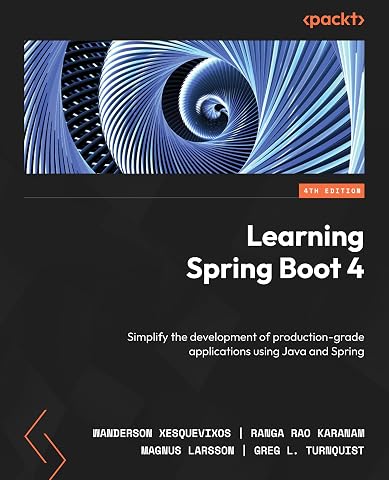
Learning Spring Boot 4: Simplify the development of production-grade applications using Java and Spring
£44.99
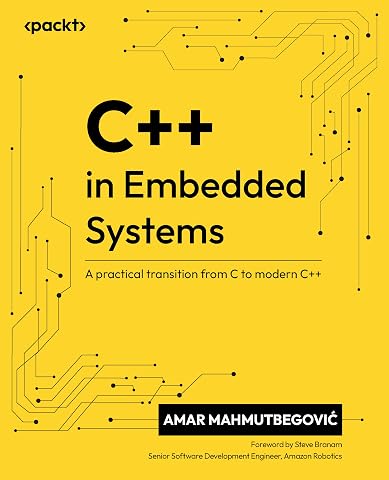
C++ in Embedded Systems: A practical transition from C to modern C++
£29.99

Agentic Coding with Claude Code: The everyday developer's guide to agentic coding with Claude Code
£33.99
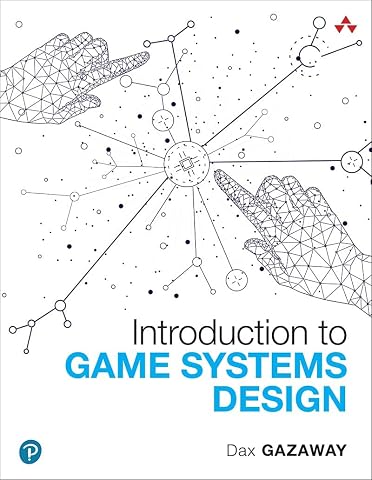
Introduction to Game Systems Design (Game Design)
£28.49
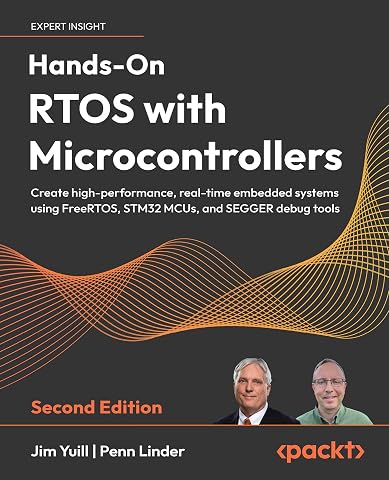
Hands-On RTOS with Microcontrollers: Create high-performance, real-time embedded systems using FreeRTOS, STM32 MCUs, and SEGGER debug tools
£37.99
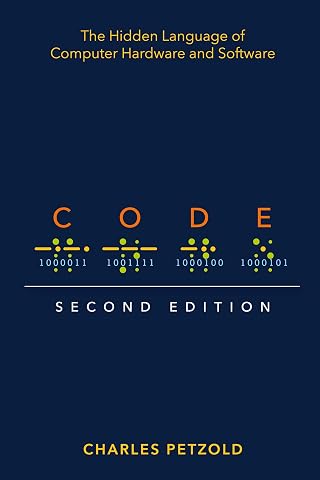
Code: The Hidden Language of Computer Hardware and Software
£22.79
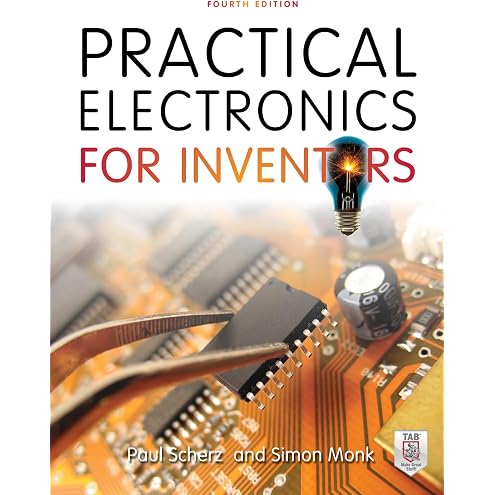
Practical Electronics for Inventors, Fourth Edition
£32.97
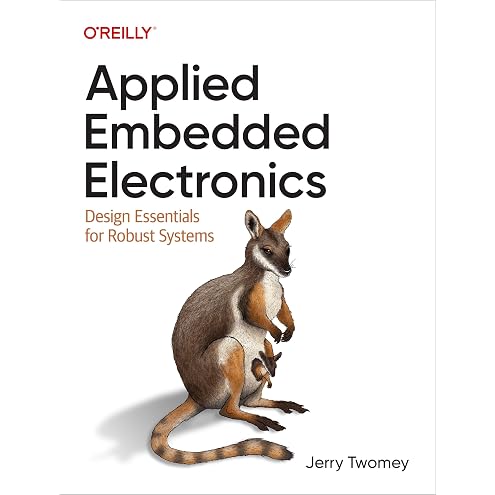
Applied Embedded Electronics: Design Essentials for Robust Systems
£34.65
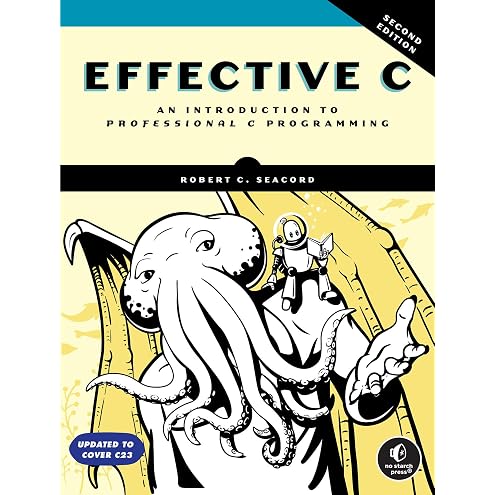
Effective C, 2nd Edition: An Introduction to Professional C Programming
£43.45