Power Banks
Products · Power Banks
2 active deals
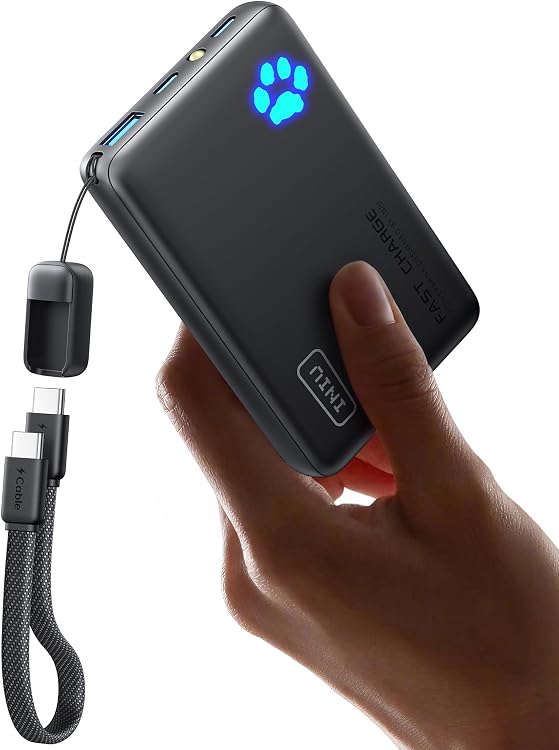
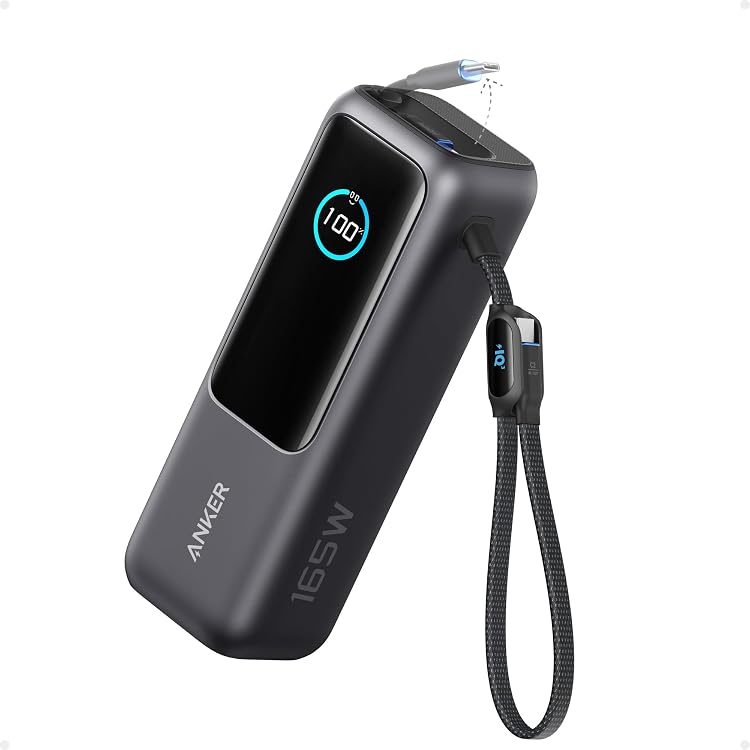
Power banks: usable energy for the trip and the next recharge
A power bank must travel with you and refill before the next outing. More capacity does not always improve daily use if it adds too much weight or requires lengthy recharging. Decide whether you need a pocket reserve or power for several devices throughout a day away.
Nominal capacity versus energy reaching the device
Milliamp-hours usually refer to internal cells at a particular voltage, not energy fully available over USB. For comparing storage at different voltages, check watt-hours where provided. Conversion and the bank's own operation consume some of the reserve. Dividing two milliamp-hour figures alone does not tell you how many recharges you will get: losses, device condition and use during charging matter. Balance capacity against the weight and volume you will actually carry throughout the trip.
Output and input speed are different specifications
Check protocol and power to your devices, including distribution with several connected. Maximum power may belong to a single port. Then review recharging the bank itself: a slow input may prevent it being ready between outings. Identify ports that support input and output. Simultaneous bank and device charging should only be assumed where documented; it does not automatically establish an uninterrupted power-supply function or suitability for equipment needing continuous operation.
Built-in cables and wireless charging
An integrated cable reduces loose accessories but fixes length and connector and raises the question of wear. Check whether a separate cable can also be used. Wireless charging simplifies connection but needs alignment and case and receiver compatibility; do not assume the same efficiency as a cable. For earphones or other low-demand equipment, check for a suitable mode that avoids switching the output off before charging has finished.
Transport and the battery's condition
For travel, verify identifiable energy information and current carrier and transport rules; a travel label does not establish permission. Follow manufacturer temperature and storage conditions. Avoid crushing and stop using a swollen, damaged or unusually hot battery. Do not open or repair cells. Consider warranty and safe return arrangements: an attractive casing or percentage display does not replace clear product information.