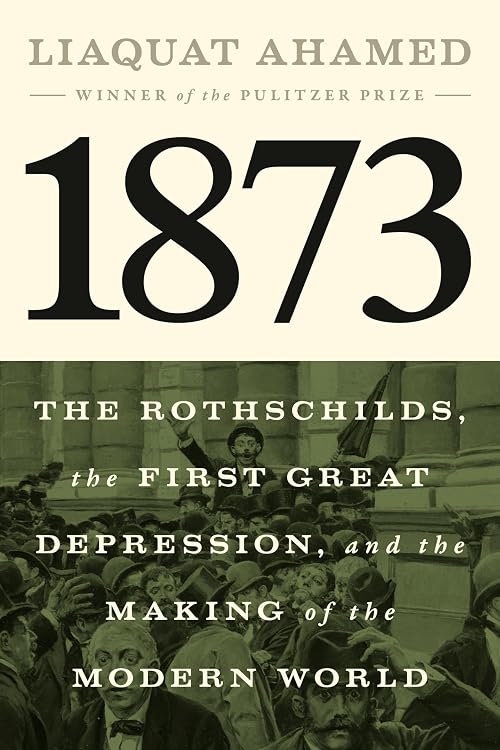
1873: The Rothschilds, the First Great Depression, and the Making of the Modern World
Rothschilds First Great Depression Making: 1873 is Liaquat Ahamed’s history of the financial crisis that began in the early 1870s, tracing the global boom and collapse through the Rothschild family. It connects bond-market growth and railway finance with changes to currencies, deflation and political upheaval.
At a glance
- Follows the boom in global borrowing and railway investment before the financial collapse of the early 1870s.
- Uses the Rothschild family and other historical figures to frame events across Europe and beyond.
- Covers the crisis’s claimed links to currency changes, prolonged deflation and political consequences.
Often bought together


Pros and cons
Pros
- Combines a family-centred narrative with wider financial and political history.
- The supplied customer feedback describes the book as informative, well written and accessible.
Technical specifications
8 specifications| Publisher | Penguin Press |
|---|---|
| Publication date | 2 Jun. 2026 |
| Language | English |
| Print length | 352 pages |
| ISBN-10 | 1594204179 |
| ISBN-13 | 978-1594204173 |
| Weight listed | 557 g |
|---|---|
| Dimensions | 16.08 x 3.05 x 24.21 cm |
What to know before buying
- The listing describes a 352-page English-language edition published by Penguin Press on 2 Jun. 2026. Confirm the edition and publication details if timing or format matters.
Who is it for?
A good fit for
- Readers interested in financial history, the Rothschilds and the global economy of the nineteenth century.
- Readers seeking a narrative account that connects financial events with political and social consequences.
Less suited to
- Readers looking primarily for a contemporary account of financial markets or practical investment guidance.
Customer reviews on Amazon
- 5 stars
55% 55% - 4 stars
31% 31% - 3 stars
12% 12% - 2 stars
2% 2% - 1 star
0% 0%
Customer feedback describes the book as a fascinating, informative history with accessible writing, including praise for its explanations of economic processes in historical context. That may suit readers who want financial history presented as a narrative, though the feedback does not establish that every reader will find the subject accessible.
Positive themes
- Customers describe the history as informative and interesting.
- Feedback praises the writing style and readability.
Frequently asked questions
What period does 1873 cover?
The book follows the global economic boom of the 1850s and 1860s, the crisis of the early 1870s and its longer aftermath.
What is the book’s main perspective?
It examines the crisis through the Rothschild family while placing their story within wider financial and political developments.
What edition details are listed?
The listing gives an English-language Penguin Press edition with 352 pages and a publication date of 2 Jun. 2026.
Alternative options

Lords of Finance: 1929, The Great Depression, and the Bankers who Broke the World
£12.49
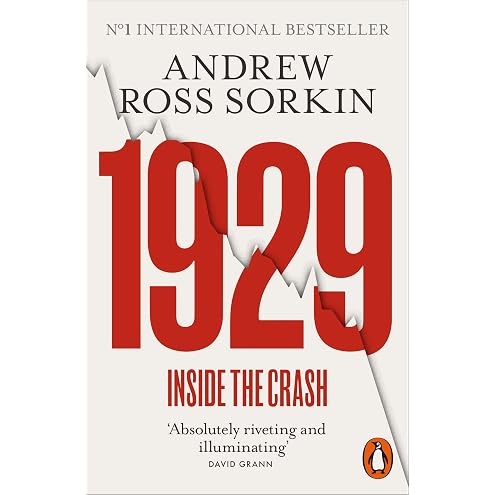
1929: Inside the Crash
£10.99
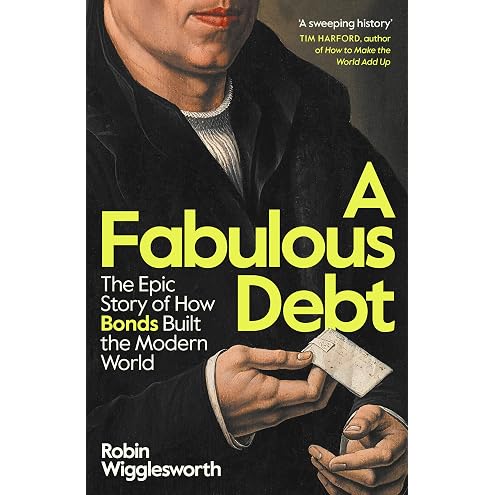
A Fabulous Debt: The Epic Story of How Bonds Built the Modern World
£19.65
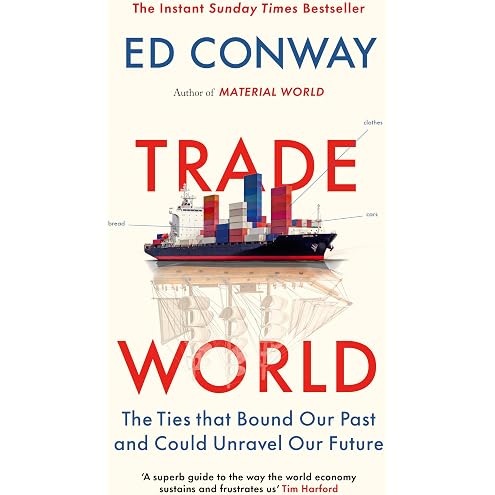
Trade World: The Ties That Bound Our Past and Could Unravel Our Future – The Instant Sunday Times Bestseller
£19.65
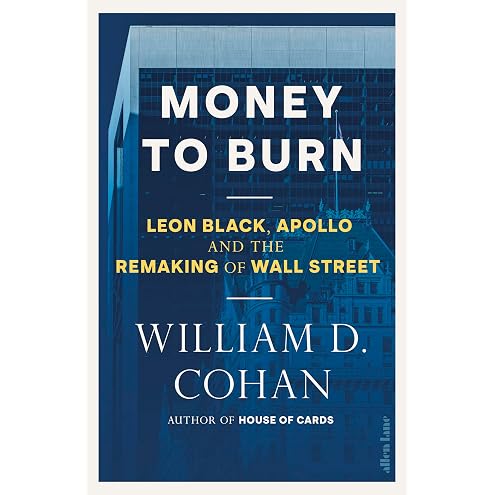
Money to Burn: Leon Black, Apollo and the Remaking of Wall Street
£30.33