Solar Panels
Products · Solar Panels
1 active deal
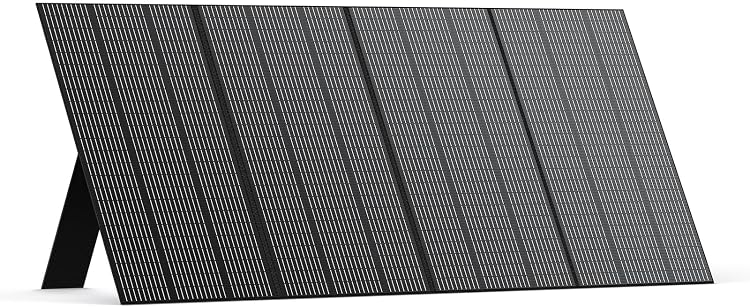
Choosing a solar panel that matches your equipment
A separately sold solar panel turns light into electricity, but it does not store energy or provide a household outlet on its own. Your choice depends on the equipment receiving that energy, the available space and whether the panel will travel or remain installed. This guide covers standalone panels, not battery power stations or complete solar lights.
Format and usable surface area
A rigid panel may suit a permanent support, while a folding model is easier to move on a trip. Flexible panels require expressly approved surfaces and mounting methods: allowable bending differs between products. Compare unfolded dimensions, weight and the clearance needed to position the panel without shade. For a small device, establish whether the output is designed for that purpose and includes the necessary power regulation.
- Check packed dimensions and the length of the supplied cable.
- Separate the panel's wattage from the accessories actually included.
Rated power versus real output
Advertised watts refer to test conditions, not constant production. Orientation, temperature, cloud cover, dirt and partial shading change output; adding nominal watts does not guarantee faster charging. Match the rating to the receiver's input limit and your daily requirements. Efficiency helps compare how effectively a panel uses its area, but does not replace checking dimensions or establish a particular battery runtime.
- Look for documented measurement conditions and power tolerance.
- Assess the actual location, including obstacles and available daylight.
Electrical compatibility before purchase
Check that the panel's open-circuit and operating voltages, operating and short-circuit currents, and power meet your controller or equipment's solar input limits. Account for the rise in open-circuit voltage in cold weather using the manufacturer's documentation. A connector that fits does not establish compatibility: polarity, wiring and ratings still matter. An adapter cannot correct an unsuitable voltage. Do not improvise connections between panels; any proposed combination needs manufacturer approval and appropriate electrical sizing.
- Confirm whether an external charge controller is required or already integrated.
- Use a qualified professional for electrical uncertainty or a fixed installation.
Durability, mounting and care
Review declared weather resistance, frame materials and mounting requirements. The panel's protection does not mean its connectors, controller or ports can get wet. A qualified professional must assess supports, loads and electrical safety for a fixed installation. Preserve performance by following the manufacturer's cleaning guidance and checking for visible damage without dismantling electrical components. A damaged cable needs attention before the panel is used again.
- Check that compatible replacement cables and supports remain available.
- Store folding panels dry and observe their bending and storage limits.