Expansion & Energy Storage Batteries
Products · Expansion & Energy Storage Batteries
1 active deal
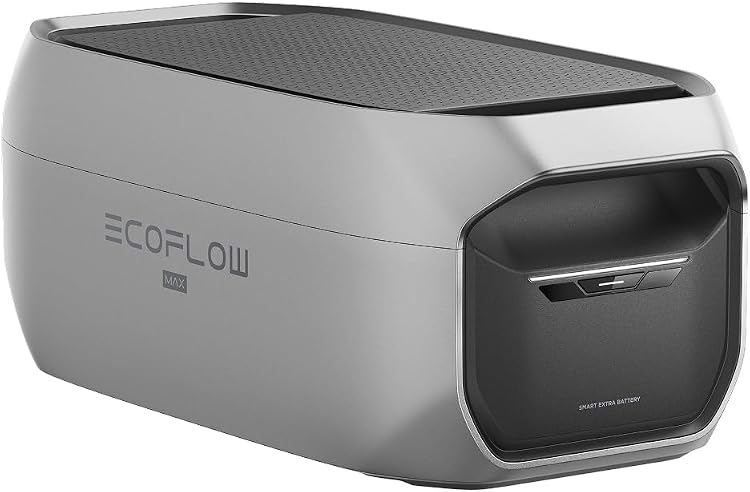
Expansion batteries: extra runtime within a compatible system
An expansion module adds storage to a compatible power station or backup system. It is not a complete station, replacement cell or vehicle battery. Before comparing watt-hours, confirm which equipment will control it and whether that equipment supports the exact module you intend to buy.
Compatibility begins with the exact model
Look for an explicit list of supported models and generations, module limits and firmware requirements. The same brand, appearance or connector shape does not establish electrical or communication compatibility. Check whether the dedicated cable is included and which other components the assembly needs. When expanding an older system, obtain manufacturer confirmation for that specific combination. An inexpensive module that requires a different station is not a direct expansion of your existing equipment.
Extra capacity is not extra output power
Watt-hours describe stored energy; watts describe available power. Adding a battery may extend operation without increasing inverter output or allowing additional appliances. Check usable capacity, reserve and the complete system's limits. To estimate duration, start with load consumption and account for conversion losses and operating conditions. Dividing nominal capacity by power consumption gives only a theoretical estimate, not guaranteed runtime, especially with variable loads that do not draw a constant amount of power.
More energy also needs recharging time
Review the combined charging power and whether it changes with connected modules. An unchanged input has more energy to restore, so recharging may take longer. Distinguish charging through the station from separately charging a module where this is documented. If relying on solar panels, verify system compatibility and variable production. The battery stores energy: it neither generates it by itself nor guarantees recovery before the next outage occurs.
Location, ageing and system servicing
Check weight, dimensions and permitted temperatures for charging, operation and storage. An extra module changes space requirements and how easily the system can be moved. Compare warranties and the conditions behind advertised cycle figures, not just an isolated number. Fixed installations and connections to household backup circuits need qualified assessment; do not improvise wiring. Ask how a failed module is handled and whether compatible cables and units will remain available during the intended equipment lifespan.