Power Saws
Products · Power Saws
3 active deals

Power saws: choose the cut before the speed
The right saw depends on the cut's geometry and how you can support the workpiece. Cutting a curve in a board is a different purchasing decision from making repeated straight crosscuts in timber. These are DIY saws, not garden chainsaws. Define material, thickness, finish and support space before comparing models.
Curves, long straight lines or repeated crosscuts
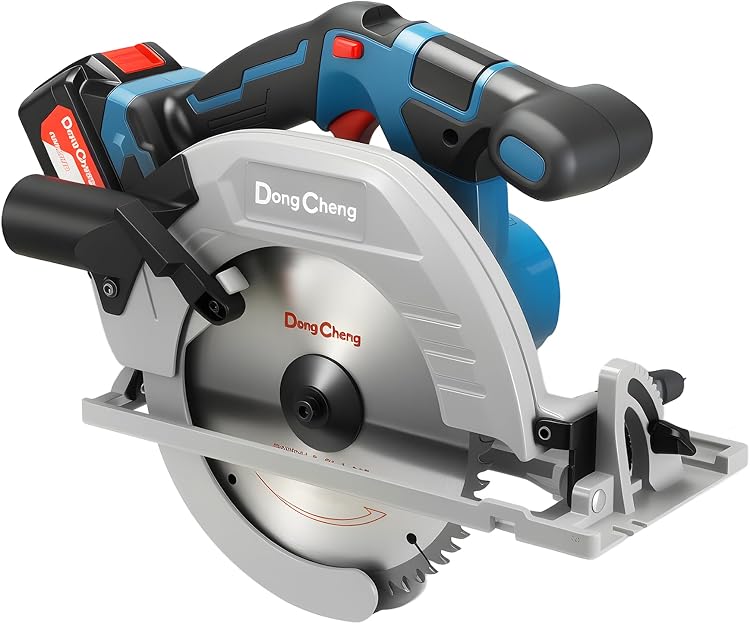
A jigsaw offers manoeuvrability for curves suited to its blade, but cannot promise equal squareness at every thickness. A circular or plunge saw may suit straight panel cuts with compatible support and guides. A mitre saw helps with repeated crosscuts within its capacity; it needs surrounding space and does not replace all the other types.
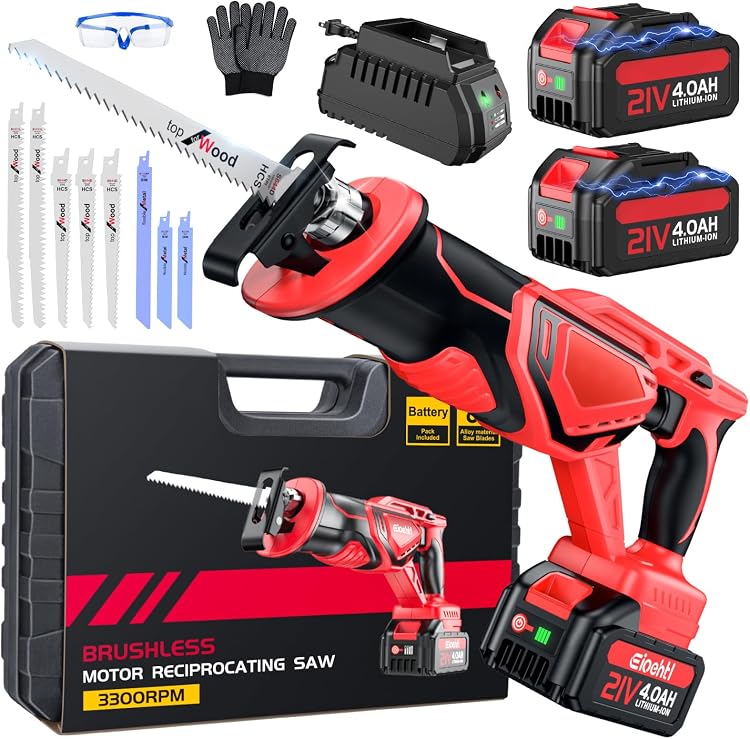
- A reciprocating saw prioritises access and separating materials; do not choose one expecting the finish of a precision-cutting saw.
Check capacity at the intended angle
Check cutting depth or width both at a right angle and at the angle you plan to use. Tilting the machine can reduce its usable capacity. For circular saws, verify blade diameter, bore and operating limits; for jigsaws, check the blade fixing. If you want a guide rail, confirm explicit compatibility: a similar-looking base does not establish a proper connection.
The blade shapes the result
Permitted material, tooth geometry and the recommended blade matter more than tooth count alone. A blade aimed at fast cutting may leave a different finish from one intended for finer cuts. Include replacement blades and compatible extraction in the cost. Physical fit is insufficient: the blade must also be approved for the machine, speed and material.
Support, guards and ongoing care
Before buying, consider where the main workpiece and offcut will be supported without closing or forcing the cut. Assess access to controls, visibility of the cutting line and the guard's intended operation. Do not remove protection or improvise a saw table by inverting a portable saw.
Use eye and hearing protection and appropriate dust control. Avoid loose clothing and gloves where they can be caught. Disconnect power before changing the blade or cleaning. Keep bases and guides free of debris and replace damaged blades. Cutting load-bearing components, suspect materials or areas that may contain services requires professional assessment. If you cannot clamp and support the piece safely, reconsider how the work is done, not just which saw to buy.