Cardio Equipment
Products · Cardio Equipment
4 active deals
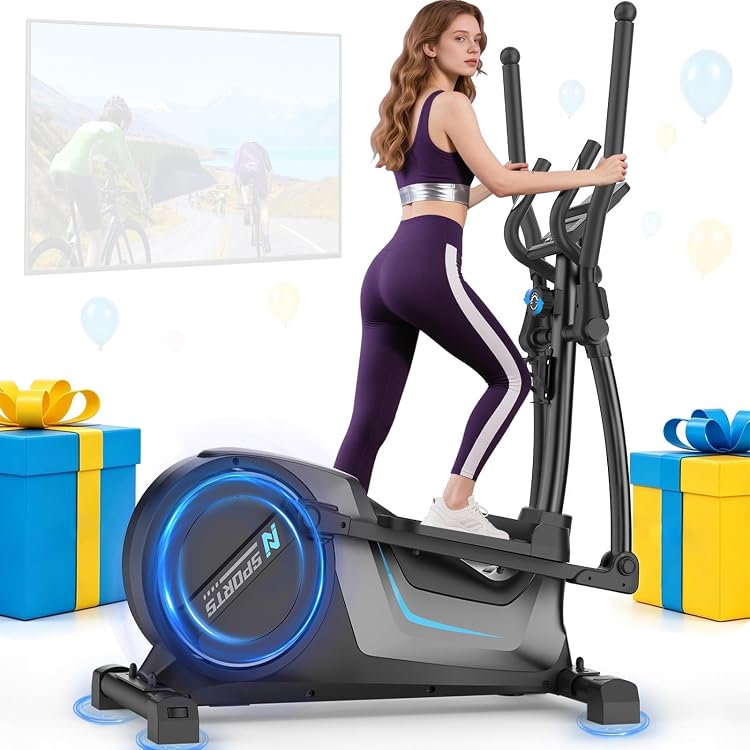
Neezee Ab2503003 3-in-1 Cross Trainer, 16 Resistance Levels
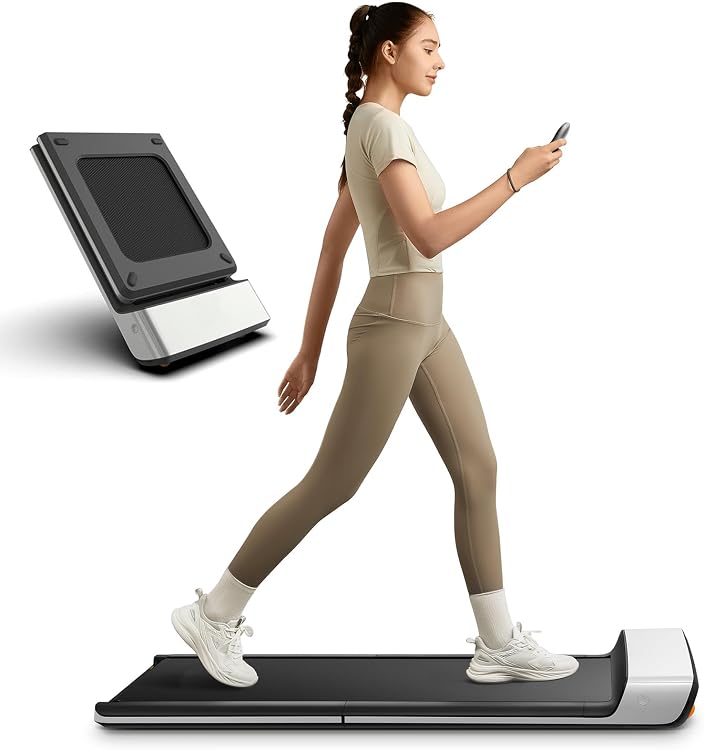
WALKINGPAD Wpp1f Foldable Under-Desk Walking Treadmill
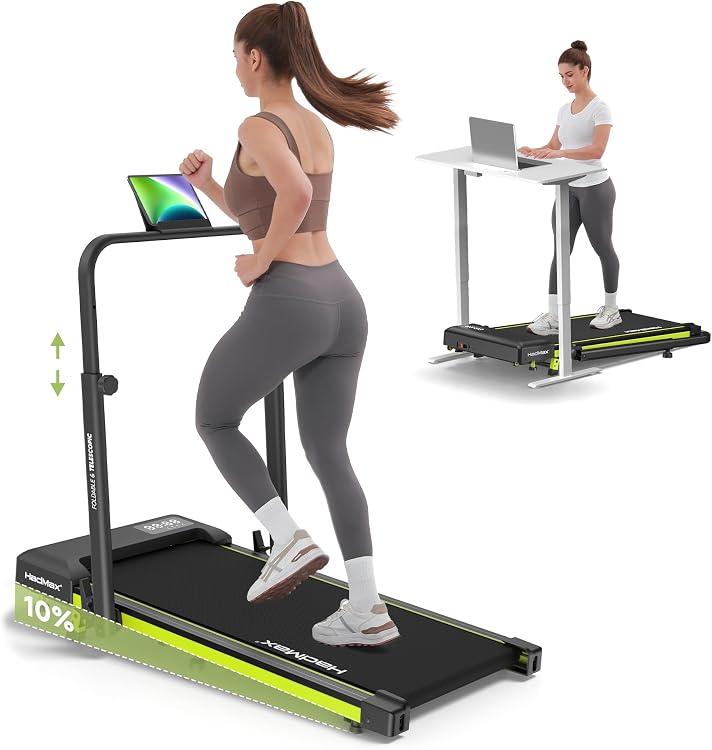
HADMAX H100 Walking Pad Treadmill with Manual Incline
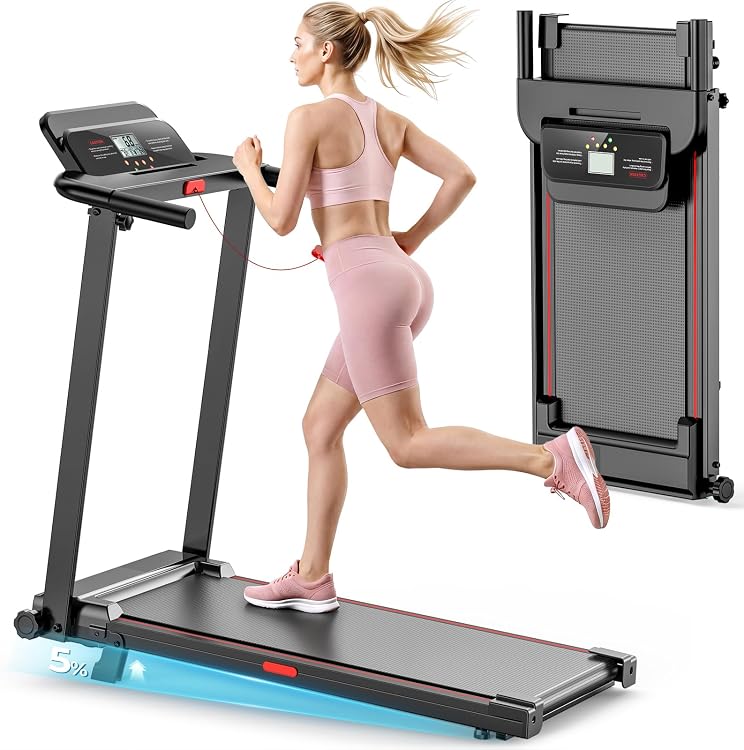
Norvexa J20bc Foldable Treadmill, 10 km/h
Cardio equipment: choose a movement you can keep practising
A cardio machine makes repeated activity at home easier, but each type requires a different posture and amount of space. The choice should not begin with the screen or a calorie programme. Start with movement that is workable for you and how the equipment will fit throughout a complete session.
Compare movements before features
A treadmill supports walking or running on a moving belt and may create impact and noise. An exercise bike provides seated pedalling, but needs adjustments to avoid an awkward posture. An elliptical follows a guided path that must suit your stride; a rowing machine requires coordination and room for its stroke. None is automatically appropriate for everyone. For pain, injury or health restrictions, seek qualified advice before choosing the activity rather than relying on product claims.
Adjustments must suit the actual users
Check seat travel, supports, movement length or surface, and user limits. A weight capacity does not establish comfort for a particular height. When several people share the machine, examine how easily and consistently settings can be changed. Try the ergonomics where possible. Reachable displays, clear controls and the model's stopping features matter during exertion; they do not replace suitable technique or guarantee that accidents cannot happen while using the equipment in your own home.
Assess extended operation and the room
For treadmills, distinguish advertised power from continuous-use conditions and check recommended belt maintenance. For bikes or ellipticals, review resistance type and behaviour when changing intensity. More levels do not necessarily mean a broader useful range. Consider vibration, room ventilation and manufacturer-specified clearance. Folded dimensions do not describe the area needed for exercise. Also confirm electrical requirements, delivery access and whether the machine can be moved without improvised arrangements once it arrives at your home.
Separate basic exercise from connected services
Establish whether speed or resistance can be controlled without an account, subscription or external connection. Virtual routes may motivate, but include recurring costs and check what happens when payment stops. Pulse readings and calorie estimates on a home exercise machine are indicative: they do not replace clinical measurements or guarantee training results. Review spare parts, service support and return conditions for a bulky machine. It should remain useful for your session even if you change applications or prefer exercising without a screen.