Arts & Crafts
Products · Arts & Crafts
2 active deals
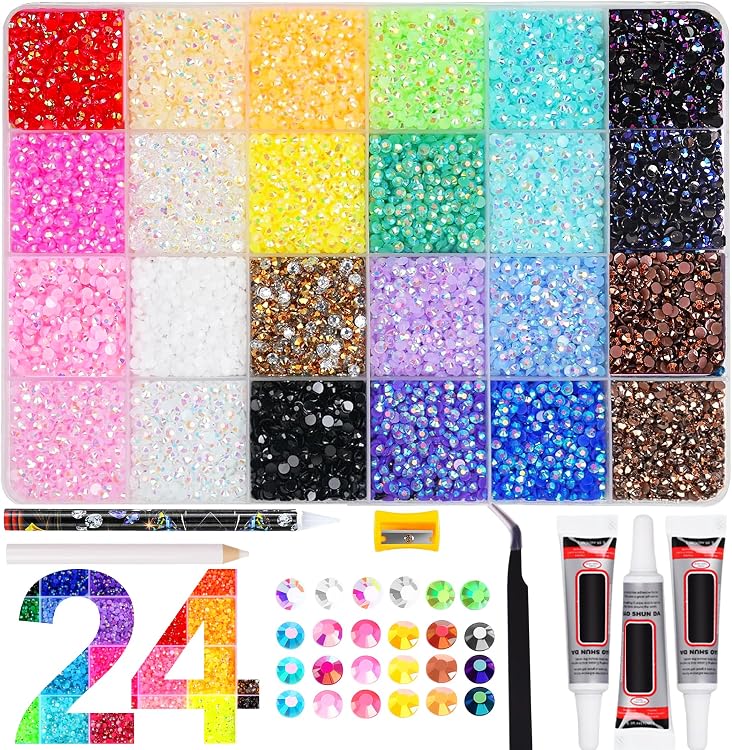
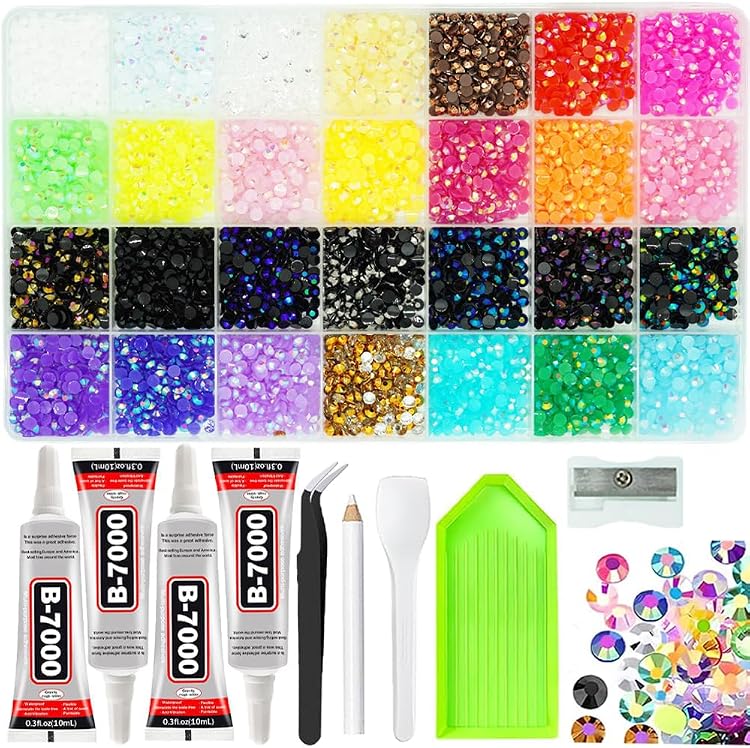
Arts and leisure: choosing materials and instruments for creative projects
Suitable materials make learning easier. Incompatible ones can make a technique seem harder than it is. Before choosing, decide what you want to make, which surface you will use and where you will work.
The most useful purchase is not always the biggest set. The right surface, a few well-chosen tools and the necessary consumables often offer more than a box full of pieces you will barely use.
Paper and surfaces: weight does not tell the whole story
For watercolour, paper around 300 gsm gives you more scope for repeated washes than lightweight paper, although it does not guarantee freedom from buckling. A fine-grained surface adds texture without making detail too difficult. Hot-pressed paper suits precise lines but shows marks and pooled water more clearly.
For graphite, 120–160 gsm is usually sufficient. With markers, resistance to bleed-through also matters: thick paper can still absorb too much ink. Toothy surfaces hold charcoal and pastel. Very smooth ones allow fine detail but accept fewer layers. Paper weight measures mass per unit area, not overall quality.
Watercolour, acrylic and oil: different working properties
Watercolour relies on transparency and, depending on its formulation, can be reactivated with water. Acrylic dries quickly and normally does not dissolve again once dry: this makes layering easier but leaves less time for blending. Oil paint allows longer blending sessions. Touch-dry does not mean fully cured.
Oil paint needs a prepared surface that prevents oil from coming into direct contact with unprotected paper or fabric. For acrylic, a primed board or canvas provides a predictable base. A soft, absorbent brush suits washes. A springy one gives better control of thick paint. Not every brush works equally well for both jobs.
Drawing: hardness and marks before quantity
H pencils produce light, precise lines, but pressing hard can indent the paper. HB suits general sketching. 2B–4B makes dark shading easier with less pressure, at the cost of easier smudging. A small, well-chosen range is more useful than a huge selection of grades with little practical difference for your work.
A mechanical pencil maintains a consistent line width for technical drawing. A sharpened wooden pencil lets you alternate between point and side. With coloured pencils, slightly textured paper accepts more layers. Consider how the pencils sharpen and blend, not just how many colours the set contains.
Fabric, thread and adhesives to suit the project
For a first bag or cover, stable woven cotton is easier to handle than stretchy knit fabric, which needs seams that can stretch with it. Match the needle to the fabric and thread thickness. For embroidery, stranded thread lets you adjust the level of detail. For crochet, the yarn-and-hook combination is what matters.
PVA glue works well on many porous materials, but its moisture can distort thin paper. Fabric adhesive can replace stitching only where the project and its wash-resistance requirements allow. Flexible pieces need a flexible bond. On smooth plastic, material compatibility matters more than an all-purpose label.
Instruments: learning, dimensions and setup
A 61-key keyboard can be enough for melodies and basic chords. For piano study involving two-handed repertoire and dynamic control, 88 full-size keys with hammer action provide a different foundation. That action adds weight and bulk: it is not always worth paying for when making electronic music or travelling frequently.
On a guitar, scale length and neck shape matter as much as the size label. Excessively high action makes fretting harder. A proper setup can be worth more than decorative details. Do not swap nylon and steel strings without explicit compatibility. A violin's size should suit the player's reach.
Sound, practice and the connections you actually need
An acoustic instrument projects sound even when played gently. A digital one with headphones reduces what others hear, but key mechanisms and pedal vibrations can still transmit noise through the floor. For home practice, responsiveness at low playing intensity and a useful headphone output may matter more than a large sound library.
MIDI carries instructions, not audio: a USB port may support MIDI only. Recording an electric guitar directly usually requires an audio interface with a high-impedance instrument input. A line input is not equivalent. Allow for cables, adapters and monitoring too. A physically matching connector does not by itself guarantee compatibility.
The cost of a usable kit, and material safety
Compare equivalent versions: paper size, paint volume, surface preparation and the accessories actually included. A keyboard without a stable stand or a necessary pedal, or a guitar without a tuner and suitable cables, may leave your setup incomplete. Paper, strings and reeds need replacing. A few suitable brushes usually offer more value than dozens of shapes you will not use.
For children, choose materials labelled for their age and intended use: water-based does not mean edible or suitable for skin painting. Powdered pigments, solvents and aerosols require the specified handling and ventilation measures. Needles, small parts and hot-glue guns introduce different risks. Labelling and applicable requirements depend on the product and market.