Makeup
Products · Makeup
1 active deal
Makeup: choose colour, finish and tools with a clear purpose
Makeup shopping works better when you picture a result you will repeat, rather than a collection of packaging. Foundation, mascara or lipstick can look similar on a screen yet behave differently in use. Colour, finish and ease of application deserve separate decisions.
Compare shades beyond the screen
For foundation and concealer, distinguish colour depth from undertone. A lighter shade does not automatically correct the wrong undertone. Images and names are not a universal scale: they vary between ranges and can be distorted by lighting and screens.
Where hygienic testing is possible, observe the product after it settles and under light resembling your everyday setting. Buying two shades to mix adds cost and complexity; it should not be the first answer to an unchecked choice.
Coverage and finish are different choices
Light coverage reveals more skin; high coverage conceals more but can make uneven application more noticeable. Matte, satin and luminous describe appearance, not coverage. Decide what you want before assigning both properties to a word such as 'professional'.
Powder, liquid and cream require different handling. Consider existing products too: layers that move or pill can make the combination awkward. No finish guarantees identical wear on every person.
Eyes and lips: precision or intensity
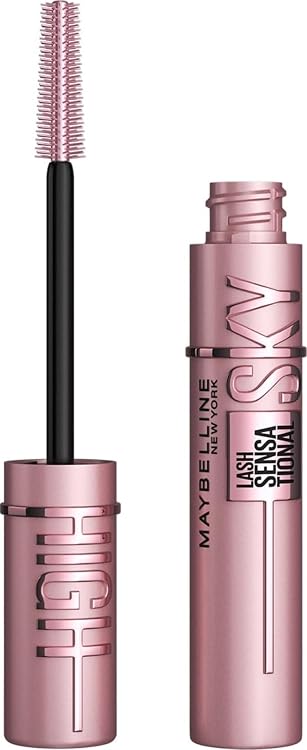
For mascara, compare brush size and shape with the handling you want. A bulky brush can make short lashes harder to reach. Waterproof formulas require appropriate removal; they are not automatically better for everyday use.
For lips, distinguish creamy texture from a matte formula that sets after application, considering transfer and comfort alongside colour. A shimmering eyeshadow does not replace a matte one for the same effect. A useful palette contains finishes you will wear, not simply many names.
Applicators change results and cleaning needs
Brushes and sponges do not distribute every product identically. Check whether the applicator suits powder or cream and whether its shape reaches the intended area. A huge kit may repeat sizes without meeting your actual need.
Include washing and drying according to the tools' instructions in the decision. Do not share eye products or applicators, or assume cleaning means sterilisation. Store testers require the establishment's hygiene measures.
Choose what you will use, not accumulate
Count the colours you actually wear before buying a large collection. A small format can make more sense than several products open together. Check seals, quantity and period after opening.
Keep labels and do not prolong use of products with unusual smell or texture. 'For sensitive skin' does not guarantee individual tolerance. Makeup creates a cosmetic effect and should not be purchased as a medical solution for a skin problem.